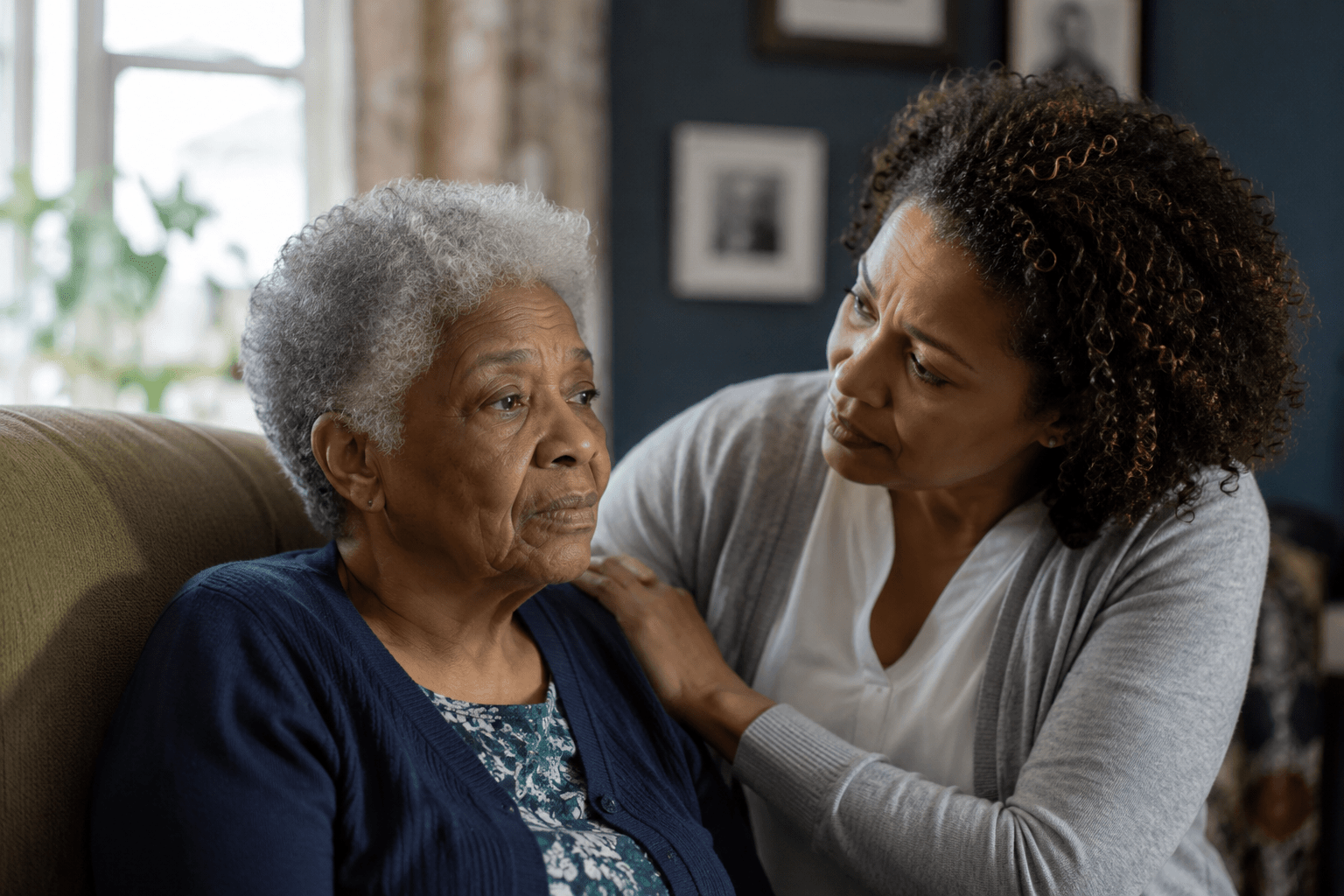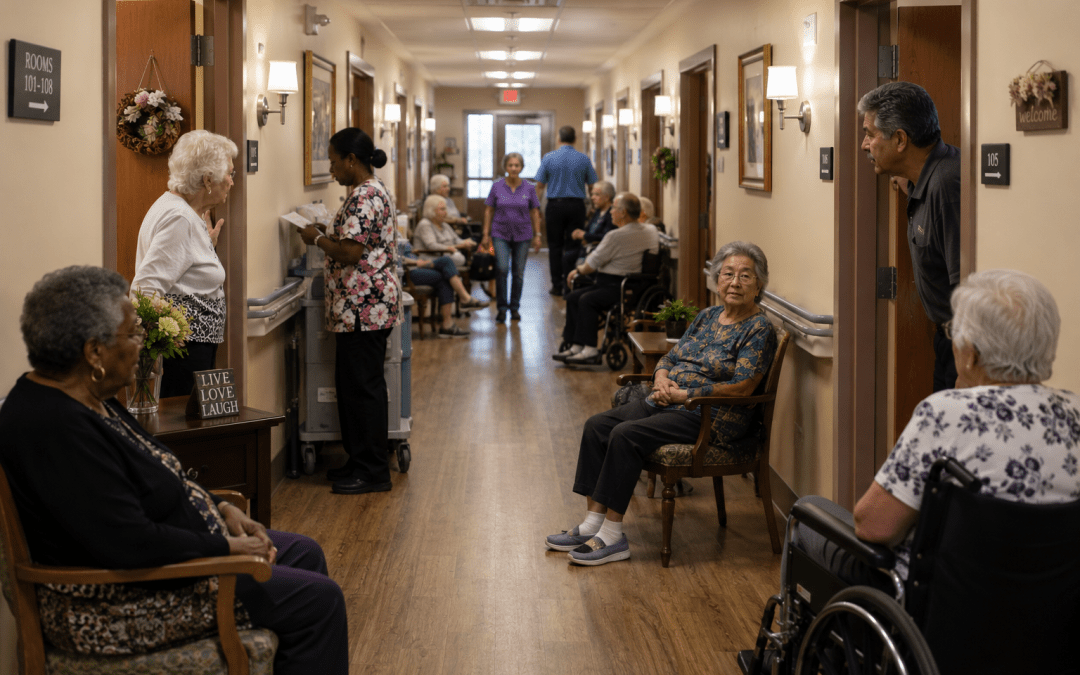
When people think about nursing home neglect, they often picture obvious warning signs such as bedsores, falls, dehydration, or unexplained injuries. However, nursing home neglect is not always that easy to recognize. Sometimes it begins with a feeling that something simply is not right. A loved one starts acting differently. They complain of pain. They become weaker, more confused, or less interested in eating. Family members may notice the change long before anyone else does. The challenge is knowing what to do when your concerns are dismissed and no one seems willing to listen.
Sometimes family members notice changes long before anyone else does. The following situation demonstrates why trusting those instincts can be so important.
Lisa’s grandfather was doing well when he first entered a nursing home. Over the 2 years he was there, he was making friends, eating well and attending events. Then things began to change.
Each time she visited him, he seemed a little worse than the week before. He complained constantly that his stomach hurt. He was running a fever. He wasn’t eating as much. He had less energy. At his best, her grandfather was witty but also a bit of a complainer. This complaining was of a new level. Something simply wasn’t right.
She started asking questions. The answers were always different and none of them explained his sudden decline.
One person thought it was pneumonia. Another suggested it was simply part of aging. Someone else had a different explanation altogether. The problem was that none of those explanations matched what she was seeing and these explanations were all coming from the caregivers who were in charge of her grandfather’s care.
Her grandfather kept getting worse.
As the days turned into weeks, she became increasingly concerned. Every time she visited, she left feeling frustrated because she knew something was wrong, but nobody seemed to be looking in the right place. He was never overweight but now he was getting very thin.
Eventually, she insisted that he be taken to the emergency room. There, doctors discovered the real problem. He had a bowel obstruction that required emergency surgery.
Unfortunately, by the time the problem was discovered, his condition had deteriorated significantly. Although the surgery was successful, complications followed, including pneumonia, and he eventually passed away.
To this day, she often wonders whether the outcome might have been different if someone had listened sooner. She wonders if this was truly a case of nursing home neglect.
Trust Your Instincts
One of the most common themes in nursing home neglect cases is that a family member noticed something long before anyone else did. Maybe it was:
- A sudden change in behavior.
- New complaints of pain.
- Unexplained weight loss.
- Increasing confusion.
- Loss of appetite.
- Fatigue.
- A general decline that didn’t make sense.
The challenge is that family members are often told that these changes are simply part of aging. Sometimes they are. Many times they are. But sometimes they are not. If you know your loved one well, your observations matter. You don’t have to be a doctor to recognize that something has changed.
When Symptoms Don’t Add Up
Many serious medical problems begin with symptoms that appear unrelated. A resident may complain of stomach pain. Another may become unusually tired. Someone else may suddenly stop eating or participating in activities. The danger comes when everyone focuses on the most obvious explanation without considering other possibilities. This does not necessarily mean anyone is acting maliciously. However, when symptoms are repeatedly dismissed, overlooked, or improperly evaluated, serious medical conditions can go untreated.
Could This Be Nursing Home Neglect?
Not every missed diagnosis is nursing home neglect. Not every medical complication is the result of poor care. However, families should pay attention when:
- Concerns are repeatedly ignored.
- Symptoms continue to worsen.
- Staff members provide conflicting explanations.
- Staff is evasive or hostile when you ask questions.
- Questions go unanswered.
- A resident’s condition declines without a clear explanation.
Nursing home neglect can take many forms. Sometimes it involves pressure ulcers or falls. Sometimes it involves inadequate supervision. In other situations, it may involve failing to recognize and respond to significant changes in a resident’s condition.
What Should You Do If No One Is Listening?
If you believe something is wrong, do not ignore your concerns.
- Document what you observe.
- Write down dates, symptoms, and conversations.
- Ask questions.
- Request explanations.
- If necessary, seek an outside medical evaluation.
Many families worry about being perceived as difficult or demanding. The reality is that you know your loved one better than anyone else. Advocating for their care is not being difficult. It is being responsible.
You May Be the First Person to Notice
One of the hardest realities for families to accept is that even in a nursing home, serious medical issues can sometimes be missed.
Staff members care for many residents. Doctors are not always present. Symptoms can develop gradually. Family members often notice subtle changes because they know what is normal for their loved one. That familiarity can be invaluable.
It is true that nursing home staff often work in demanding environments. Many caregivers work long hours, care for numerous residents, and face staffing shortages that are beyond their control. However, those challenges do not excuse nursing home neglect. When a facility accepts a resident into its care, it accepts the responsibility of providing the attention, supervision, and medical care that resident needs. The burden of staffing and resource management belongs to the facility—not the vulnerable residents who depend on it for their well-being.
If something does not feel right, keep asking questions until you understand what is happening.
Protecting Your Loved One
Most families do not start by looking for a lawyer. They start by looking for answers. They want to know why their loved one is getting worse. They want someone to explain what is happening. They want reassurance that appropriate care is being provided.
When those answers never come, families may begin to wonder whether nursing home neglect played a role.
If you believe a loved one may have suffered harm because serious medical concerns were ignored, delayed, or improperly addressed, it may be helpful to speak with an attorney who understands nursing home neglect cases and can help you evaluate your options.
Concerned About a Loved One?
If you have concerns about a loved one’s care in a Georgia nursing home, do not ignore what you are seeing.
David helps families investigate concerns involving nursing home neglect, unexplained injuries, pressure ulcers, missed diagnoses, and other situations where questions remain unanswered.
To help us better understand your situation, please complete our online case evaluation form. The more information you can provide about your concerns, the better we can evaluate whether additional investigation may be appropriate.