
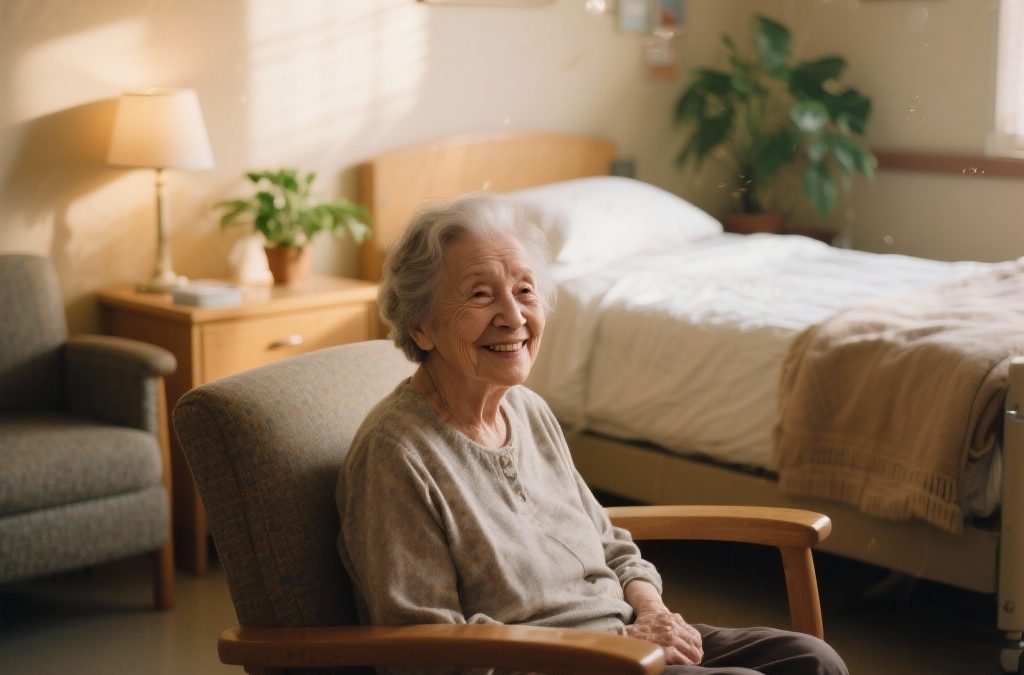
The holidays are a wonderful time for families to come together—sharing meals, laughter, memories, and visits with older relatives. But for many adults whose loved ones are living in a nursing home, assisted-living facility or receiving home-care services, the season also offers a chance to pause and look beneath the surface. Because sometimes what appears to be routine aging is actually a sign of neglect. Neglect in nursing homes is a real concern.
Take the story of “Margaret,” whose daughter “Laura” visited her in mid-November at a local skilled-nursing facility. Margaret had always been lively, her dishes cleaned, her hair neatly done and her favorite book nearby. On this visit Laura noticed a slight weight loss, her mother’s blanket still wrapped tightly despite an unseasonably warm afternoon, and an unfamiliar bruise on her forearm. When Margaret said she was “fine” but refused to speak about the bruise, Laura knew it was time to ask questions.
Why the holiday season raises special concerns
Many facilities experience lower staffing levels around holidays, as regular staff take time off, and substitute or contract workers may fill in. One report noted that on Thanksgiving the average nurse hours per resident day dropped by over 10% compared to average weekdays. NursingHome411
Fewer visitors means fewer “extra eyes” on how residents are being treated. Family visits often reveal subtle issues that facility rounds do not.
Increased admissions, illnesses (especially in winter months) and schedule changes create more pressure on care staff — meaning the risk of tasks being delayed or overlooked goes up. Century Rehab
What the numbers tell us about neglect in nursing homes and other facilities
According to recent data, in 2023 U.S. nursing homes received 94,499 health citations—of which 8.1% (7,654) were for abuse, neglect, or exploitation of residents. SeniorLiving.org
One global review found that in institutional settings, 64.2% of staff reported committing some form of abuse (which includes neglect) in the past year. Ballard Brief
A recent U.S. study found that 95% of nursing-home residents surveyed said they had been neglected or witnessed others suffering neglect.
According to the U.S. Department of Justice’s Elder Justice Initiative (2024), reports of abuse and neglect in long-term care facilities continue to rise nationwide, with over one in ten adults age 60 and older experiencing some form of elder abuse each year — often inside licensed care settings. Yet most cases are never reported or prosecuted, leaving families to seek help on their own. That’s why having an attorney who understands Georgia law and the unique challenges of nursing home and in-home care negligence is so critical.
Even when state or federal agencies step in, their investigations can take months — and they rarely recover damages for the victim’s suffering. A skilled local attorney can act quickly to preserve evidence, hold negligent caregivers accountable, and help families protect their loved ones’ dignity and safety.
What to watch for during your visit
Changes in appearance or hygiene: unkempt hair, unwashed clothing, soiled linens, weight loss, dehydration.
Unexplained bruises, falls, or skin-breaks: If a bruise appears and no clear explanation is given, ask more questions.
Behavioral changes: withdrawal, increased confusion, agitation when staff arrive, refusing meals.
Delays in care: Notices like poor diaper changes, persistent bed-sores, meals skipped, medications missing.
Poor facility environment: strong odors, dirty communal areas, staff that seem rushed, lack of communication about care.
Why you shouldn’t dismiss a “just aging” explanation
It’s easy to chalk up signs like weight loss or increased confusion to “that’s just grandma getting older.” But when these appear suddenly or coincide with other red flags—poor hygiene, unexplained injuries, changes in staff interactions—they may be signs of neglect. The trouble is, many of these issues aren’t intentional “abuse” in the classic sense, but they are still serious: failure to meet basic care needs, understaffing, inadequate monitoring all count as neglect. And they can lead to serious harm.
What you can do to detect neglect in nursing homes
During your visit, bring a checklist of a few items: how does your loved one look? Are there new bruises or tags from hospital visits? Are they dressed and groomed? Is the room clean?
Ask staff: “How many direct care nurses are on duty today? What happens if someone calls out?” It’s okay to ask about staffing—it’s part of ensuring quality care.
Keep a record: date your visits, note what you observed. If things don’t seem right, having a written log helps.
- It’s perfectly okay — and often important — to take photos if you notice something concerning with your loved one’s care. Documenting things like bruises, bedsores, unclean conditions, or anything that seems off can provide valuable evidence later. These photos can help your attorney clearly show what was happening and protect your loved one’s rights if neglect or abuse is suspected.
If you spot something troubling, mention it to the facility’s director of nursing and ask for a care-plan update.
Consider also reaching out to your state’s long-term care ombudsman or the adult protective services agency if you suspect neglect.
The bottom line
A holiday visit can do more than bring joy—it can give you a clearer picture of how your loved one is faring. If you see signs that care isn’t meeting basic needs, act early. Neglect in nursing homes and other care facilities doesn’t always shout—it often whispers. But that whisper deserves your attention.
If you suspect neglect in nursing homes here in Georgia, it’s important to act quickly. Contact David Crawford, Attorney at Law, for a free case review to discuss your concerns and find out how we can help protect your loved one’s safety and dignity.

